Dubai rents grew an estimated 14–18% citywide in 2025 — the third consecutive year of double-digit growth. That trajectory is not indefinitely sustainable, and 2026 will see a meaningful deceleration in the most supply-exposed communities. But deceleration is not contraction. Our 2026 forecast: 6–10% growth in prime and supply-constrained communities; 3–5% in the mid-market corridors where the 2023–2025 off-plan launch pipeline begins to reach handover.
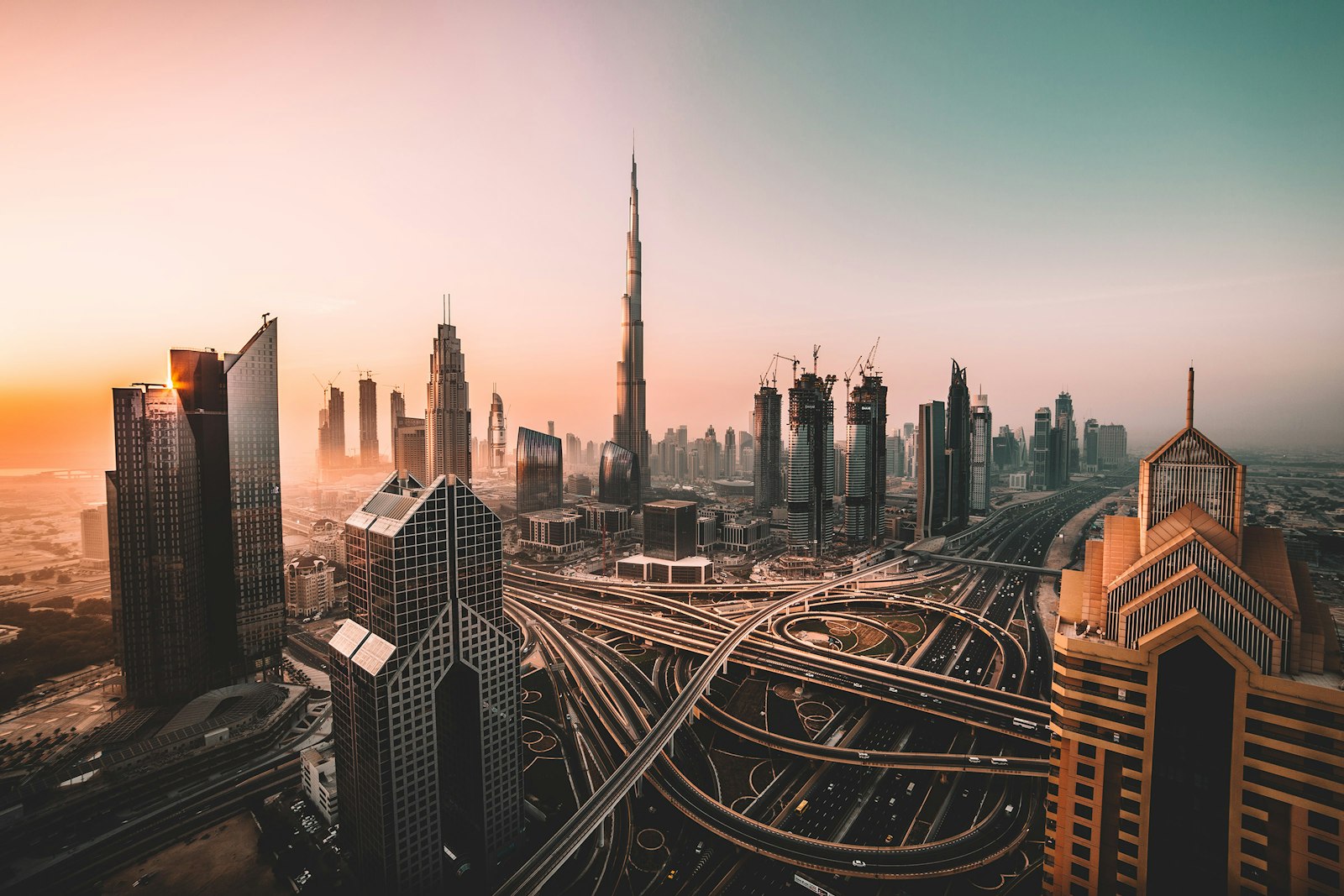
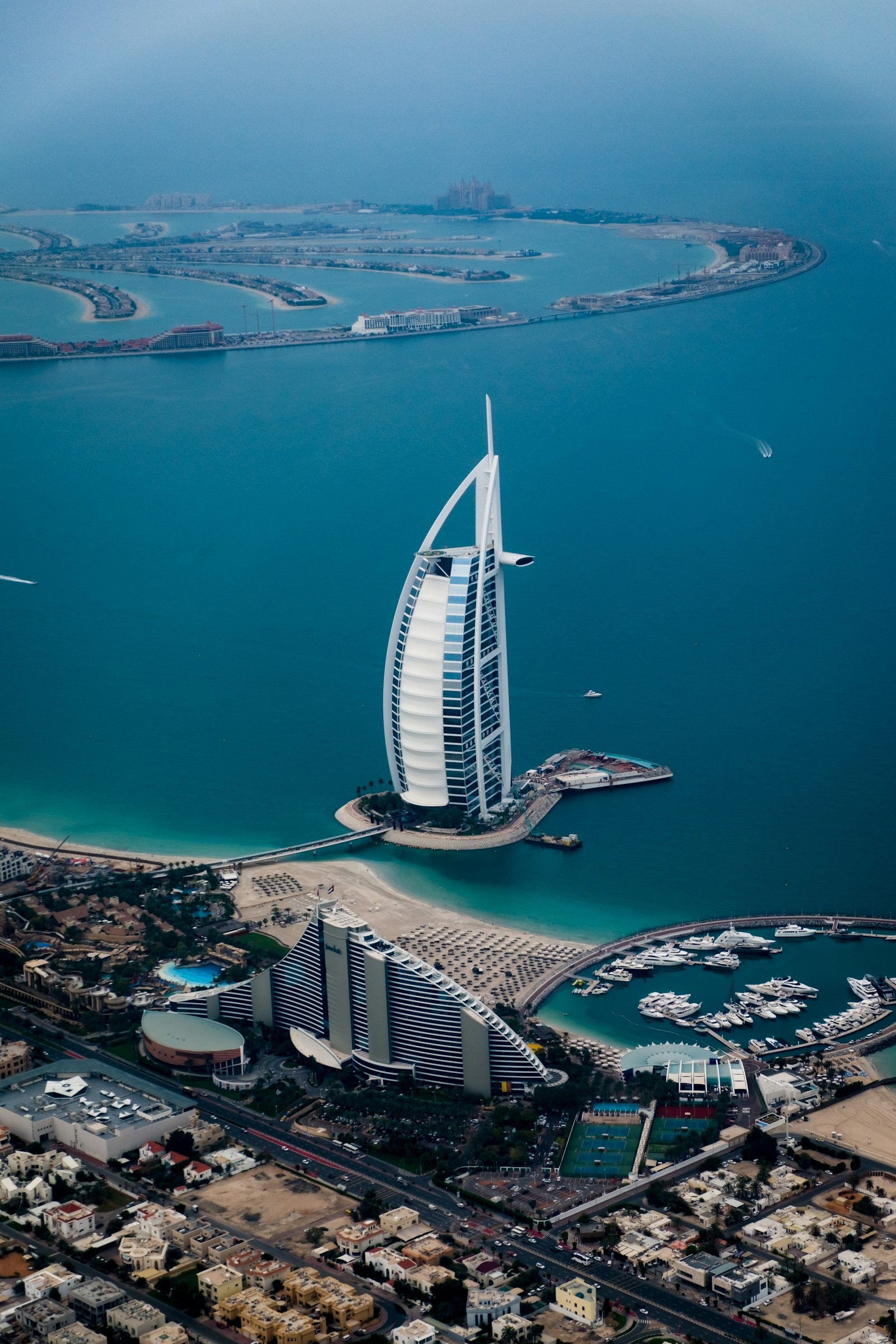
Where rents will keep growing. Dubai Marina, JBR, Downtown, Business Bay, DIFC, and Palm Jumeirah will see 7–10% growth in 2026. New supply in these micro-markets is structurally limited — land availability is constrained, planning densities are established, and the pipeline of ready-to-rent stock is insufficient to absorb demand from corporate relocations and continued population inflows. UAE population surpassed 10.5 million in 2025, with Dubai's population estimated at 3.8 million and growing.
Where rents will plateau. Jumeirah Village Circle, Studio City, Dubai South, and parts of Arjan will see the most moderation — 2–5% growth, with certain buildings potentially flat or marginally negative depending on service charge increases. The 2022–2024 off-plan boom is delivering completed units into these communities throughout 2025–2026, and tenant leverage is returning after three years of landlord advantage.
Villa rents. The villa market tells a different story from apartments. Dubai Hills, Arabian Ranches, Springs, Meadows, and Jumeirah park-villas have minimal new construction scheduled relative to demand. Family-formation by relocating professionals and the post-pandemic preference for space continue to sustain strong villa rental demand. Expect 10–14% villa rental growth in these communities in 2026. Single-cheque tenants will still command a 3–5% discount; RERA registration and advance cheques have become non-negotiable in this segment.
The Dubai Rental Index. The Rental Index governs permitted rent increases at lease renewal for sitting tenants. After partial recalibrations in 2023 and 2024 that narrowed the gap between index rates and market rates, we expect a further adjustment in H1 2026. The remaining gap between index-permitted levels and live market rates is most pronounced in established prime communities — Marina, Downtown, JLT — where rents on new lettings are materially above what the index allows landlords to charge at renewal. This structural tension between sitting tenants and open market will persist until the index fully catches up.
For landlords. Pricing discipline in 2026 is more important than in the 2023–2025 seller's market. Vacant stock in supply-saturated sub-markets can sit 30–60 days longer than in prior years. Set asking rents based on comparable active contracts in your specific building, not community-level averages. Consider single-cheque incentives — they reduce collection risk and attract the tenant profile least likely to default or vacate mid-tenancy.
For tenants. The balance of power is shifting back toward tenants in mid-market communities for the first time since 2022. If you are relocating to JVC, Dubai South, or similar areas in 2026, you have negotiating leverage you have not had in several years. In prime communities, negotiating leverage remains limited — the supply constraint is real, and landlords know it. Time your lease-start for Q2 or Q3 — historically the softest periods for Dubai rental demand, offering marginally better terms than Q4/Q1.