Yield is the most-quoted and least-understood metric in Dubai real estate. Most brokers quote gross yield: annual rent divided by purchase price. What arrives in your account is the net yield — after service charges, agency renewal commissions, vacancy gaps, maintenance, and DEWA in some cases. In practice, net runs 1.5–2.5 percentage points below gross. That gap is where uninformed investors lose money they did not know they were losing.
1. Jumeirah Village Circle (JVC) — 8–9% gross, ~6.5–7% net. Dubai's most consistently high-yield community and the strongest case for income-focused investors. Smaller unit sizes (studios and 1-beds dominate), a walkable layout, and sustained demand from young professionals and service-sector workers keep rental rates firm relative to purchase prices. Watch service charges carefully — newer JVC towers can run AED 18–25/sqft, well above the AED 12–15 community average. Always confirm service charges from the Owners Association before offer.
2. Al Furjan and Discovery Gardens — 7.5–8.5% gross, ~6–7% net. Both communities benefit from direct Route 2020 metro access, which has structurally widened the tenant pool since the line opened. Tenant demand links strongly to logistics, aviation, and Expo City employment. Older Discovery Gardens stock (strata title, lower service charges) yields highest. Newer Al Furjan buildings add modest appreciation potential alongside the income story.
3. International City — 9–10% gross, ~6.5–7.5% net. The city's highest gross yields, but with caveats. Tenant turnover is elevated, service charge governance is inconsistent, and capital appreciation has historically been subdued. Best suited to experienced landlords comfortable with active management who are targeting cash-on-cash return rather than total return. Leveraged purchases are harder to justify at these price points given current EIBOR-linked mortgage rates.
4. Business Bay — 7–8% gross, ~5.5–6.5% net. Proximity to DIFC, Dubai Mall, and the financial district generates consistent corporate-relocation demand. Furnished 1-bed units in well-run towers can achieve AED 90,000–130,000 per annum, producing strong gross yields on sub-AED 1.5M purchase prices. Service charges are higher than mid-market communities (AED 18–24/sqft is typical) but are offset by premium achievable rents.
5. Town Square (NSHAMA) — 7–8% gross, ~5.8–6.5% net. Townhouses here consistently outperform apartments on yield — a reversal of the typical Dubai pattern. Master-planned with parks, retail, and community facilities, Town Square attracts families relocating from central Dubai who want villa-style living at a fraction of Dubai Hills prices. NSHAMA's build quality and community management have improved materially since the community launched.
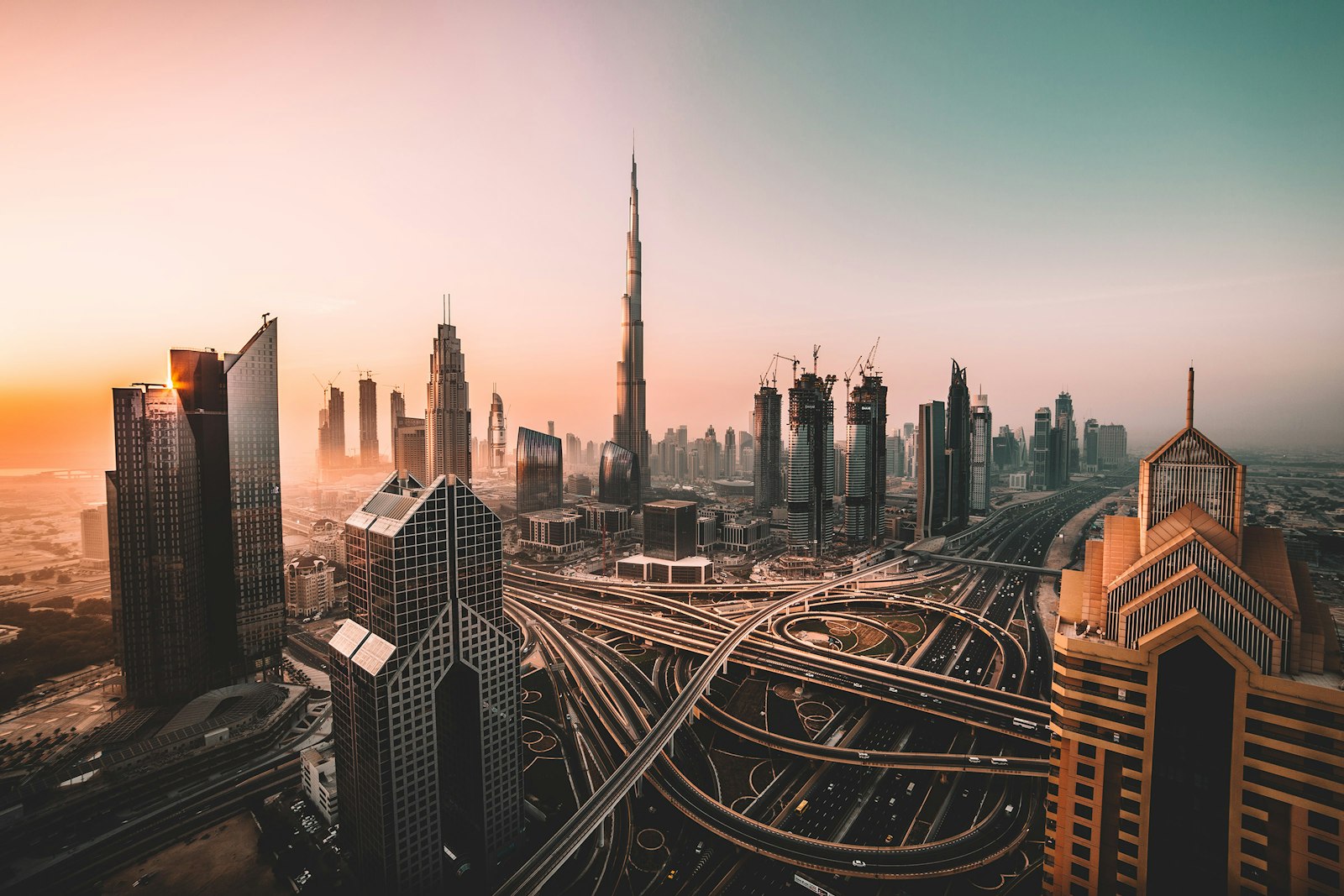
What is missing from this list: prime waterfront. Palm Jumeirah, Dubai Marina, and Downtown Dubai yield 4.5–6% gross. They are capital-appreciation and wealth-preservation vehicles, not income engines. Combining yield and appreciation in a single transaction is possible — but only in mid-tier communities where both drivers are in equilibrium. Chasing both in a single prime-community purchase typically means getting neither at the level you modelled.
Practical modelling note: deduct 10–15% of gross rent for vacancy and agency renewal commission (typically one month's rent per year), subtract actual service charges from your specific building's OA statement (not the community average), and add AED 5,000–10,000 per year for maintenance reserve. The number that survives is your real net yield — and the number that should drive your investment decision.